
SpringSecurity

- shiro、SpringSecurity
- 认证、授权
1、环境搭建
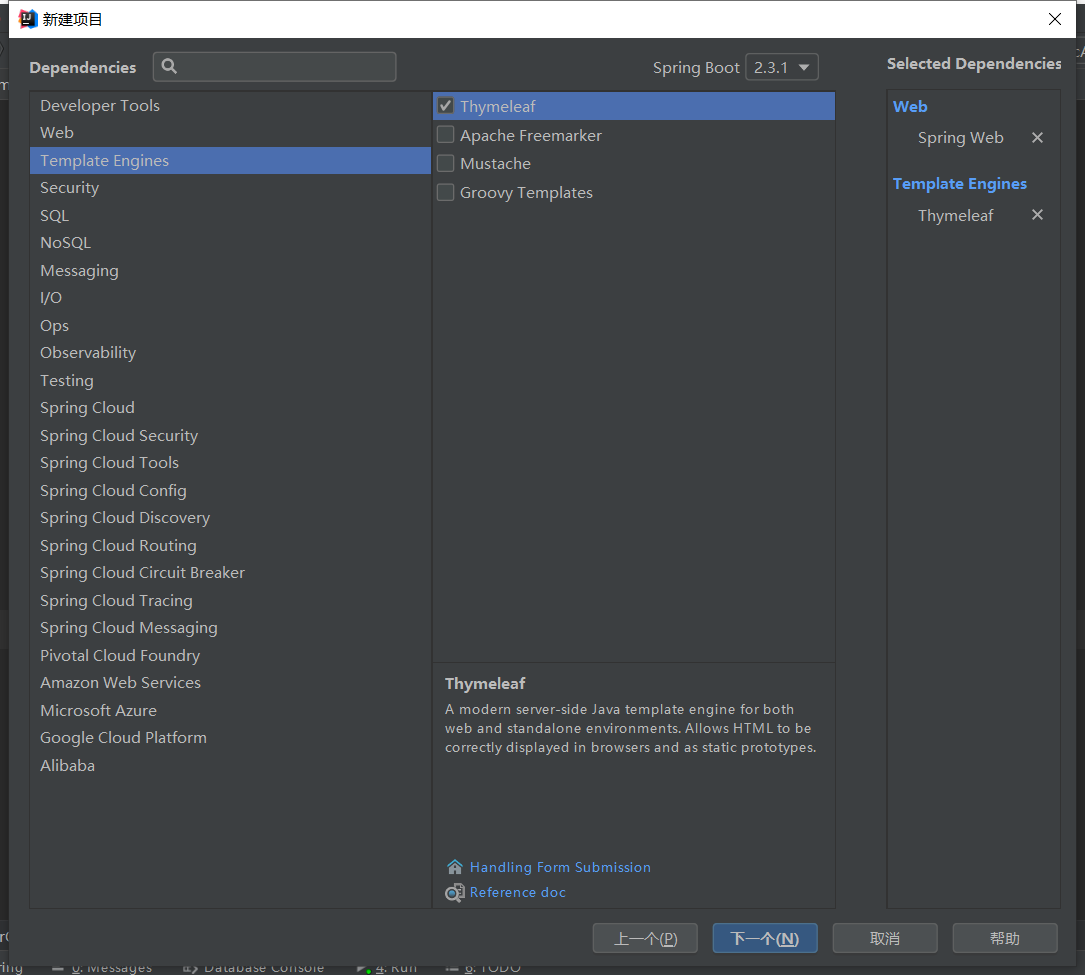
新建项目
spring-05-security导入web模块,thymeleaf模块
导入素材
关闭模板引擎的缓存
application.properties# 关闭缓存 spring.thymeleaf.cache=false创建controller文件
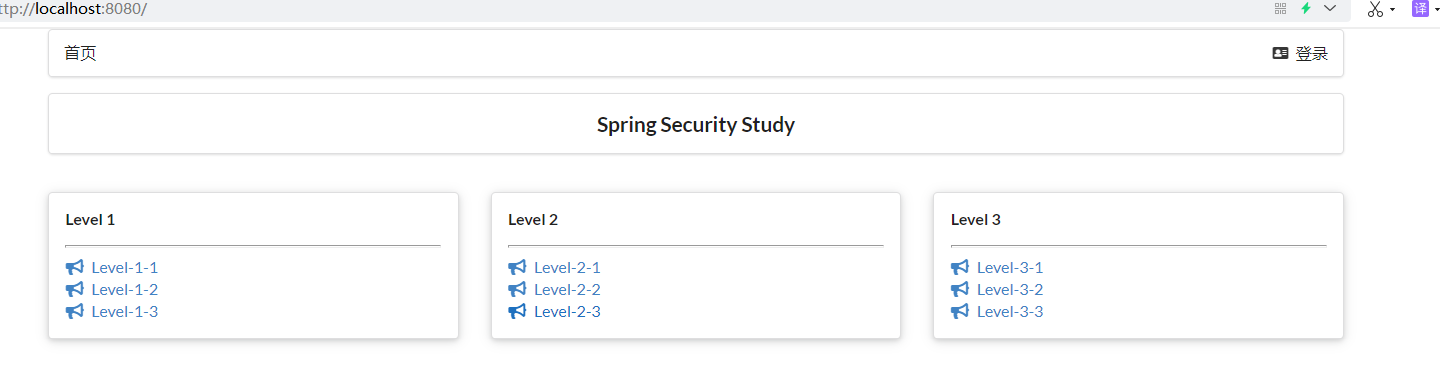
RouterController@Controller public class RouterController { @RequestMapping({ "/", "/index"} ) public String index(){ return "index"; } @RequestMapping("/login") public String login(){ return "/views/login"; } @RequestMapping("/level1/{ id} ") public String level1(@PathVariable("id") int id){ return "/views/level1/" + id; } @RequestMapping("/level2/{ id} ") public String level2(@PathVariable("id") int id){ return "/views/level2/" + id; } @RequestMapping("/level3/{ id} ") public String level3(@PathVariable("id") int id){ return "/views/level3/" + id; } }打开浏览器进行测试
2、认识SpringSecurity
Spring Security 是针对Spring项目的安全框架,也是Spring Boot底层安全模块默认的技术选型,他可以实现强大的Web安全控制,对于安全控制,我们仅需要引入spring-boot-starter-security 模块,进行少量的配置,即可实现强大的安全管理!
记住几个类:
- WebSecurityConfigurerAdapter:自定义Security策略
- AuthenticationManagerBuilder:自定义认证策略
- @EnableWebSecurity:开启WebSecurity模式,@EnableXXX就是开启某个模式
Spring Security的两个主要目标是 “认证” 和 “授权”(访问控制)。
“认证”(Authentication)
身份验证是关于验证您的凭据,如用户名/用户ID和密码,以验证您的身份。
身份验证通常通过用户名和密码完成,有时与身份验证因素结合使用。
“授权” (Authorization)
授权发生在系统成功验证您的身份后,最终会授予您访问资源(如信息,文件,数据库,资金,位置,几乎任何内容)的完全权限。
这个概念是通用的,而不是只在Spring Security 中存在。
参考官网:https://spring.io/projects/spring-security
查看我们自己项目中的版本,找到对应的帮助文档:
https://docs.spring.io/spring-security/site/docs/5.3.0.RELEASE/reference/html5 #servlet-applications 8.16.4
测试
引入 Spring Security 模块
<!-- security -->
<dependency>
   <groupId>org.springframework.boot</groupId>
   <artifactId>spring-boot-starter-security</artifactId>
</dependency>
如果报了如下错误
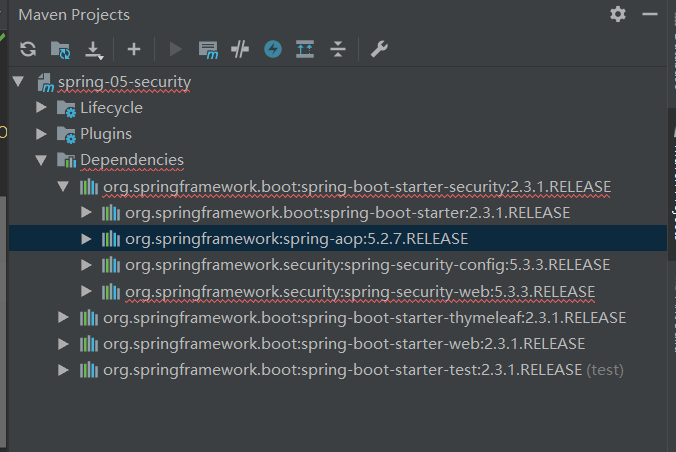
在导入下面这个版本设置即可
<properties>
    <spring-security.version>5.3.2.RELEASE</spring-security.version>
</dependencies>
创建一个
config,创建SecurityConfig,这是基本框架import org.springframework.security.config.annotation.web.builders.HttpSecurity; import org.springframework.security.config.annotation.web.configuration.EnableWebSecurity; import org.springframework.security.config.annotation.web.configuration.WebSecurityConfigurerAdapter; @EnableWebSecurity // 开启WebSecurity模式 public class SecurityConfig extends WebSecurityConfigurerAdapter { @Override protected void configure(HttpSecurity http) throws Exception { } }定制请求的授权规则
而定义为
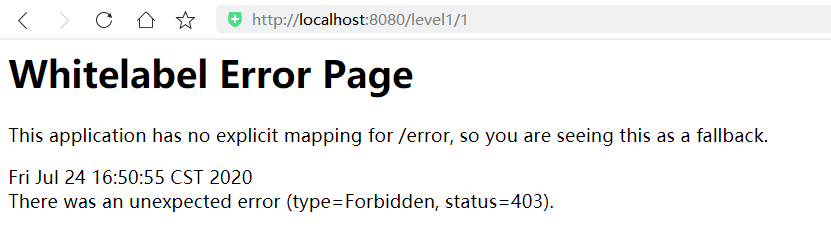
.antMatchers("/level1/**").hasAnyRole("vip1", "vip2", "vip3")就可以设置多个值@Override protected void configure(HttpSecurity http) throws Exception { // 定制请求的授权规则 // 首页所有人可以访问 http.authorizeRequests().antMatchers("/").permitAll() .antMatchers("/level1/**").hasRole("vip1") .antMatchers("/level2/**").hasRole("vip2") .antMatchers("/level3/**").hasRole("vip3"); }测试一下:发现除了首页,其他页面进不去了!因为我们目前没有登录的角色,因为请求需要登录的角色拥有对应的权限才可以!
在
configure()方法中加入以下配置,开启自动配置的登录功能!// 开启自动配置的登录功能 // /login 请求来到登录页 // /login?error 重定向到这里表示登录失败 http.formLogin();点击进去查看源码,下载源码之后可以看到一堆注释,其中就有说明会跳转到 login
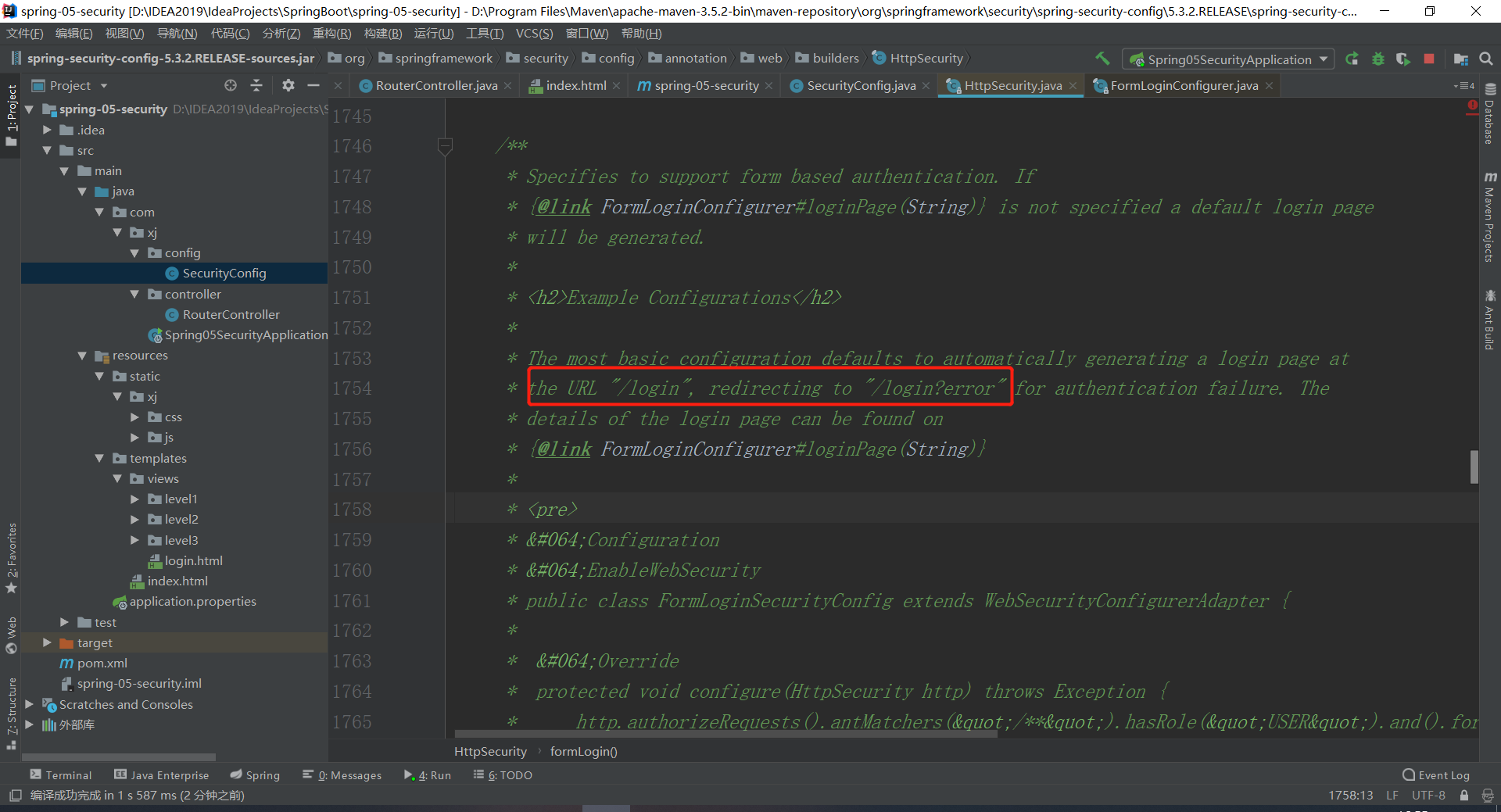
、测试一下:发现,没有权限的时候,会跳转到登录的页面(这个页面是自动生成的)
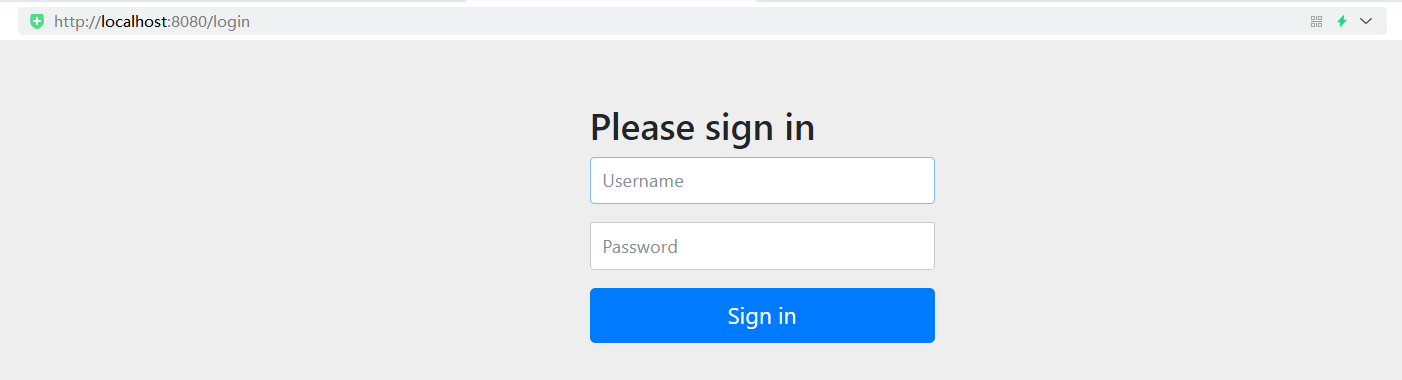
重写
configure(AuthenticationManagerBuilder auth)方法//定义认证规则 @Override protected void configure(AuthenticationManagerBuilder auth) throws Exception { //在内存中定义,也可以在jdbc中去拿.... //Spring security 5.0中新增了多种加密方式,也改变了密码的格式。 //要想我们的项目还能够正常登陆,需要修改一下configure中的代码。我们要将前端传过来的密码进行某种方式加密 //spring security 官方推荐的是使用bcrypt加密方式。 auth.inMemoryAuthentication().passwordEncoder(new BCryptPasswordEncoder()) .withUser("xj").password(new BCryptPasswordEncoder().encode("123456")).roles("vip2","vip3") .and() .withUser("root").password(new BCryptPasswordEncoder().encode("123456")).roles("vip1","vip2","vip3") .and() .withUser("guest").password(new BCryptPasswordEncoder().encode("123456")).roles("vip1","vip2"); }注意:我们要将前端传过来的密码进行某种方式加密,否则就无法登录,会爆出
There is no PasswordEncoder mapped for the id “null”错误测试,发现,登录成功,并且每个角色只能访问自己认证下的规则
3、权限控制和注销
开启自动配置的注销的功能
//定制请求的授权规则
@Override
protected void configure(HttpSecurity http) throws Exception {
    //....
    //开启自动配置的注销的功能
    // /logout 注销请求
    http.logout();
}
我们在前端,增加一个注销的按钮,index.html 导航栏中
/logout路径就是注销的<a class="item" th:href="@{ /logout} "> <i class="address card icon"></i> 注销 </a>测试:登录成功后点击注销,发现注销完毕会跳转到登录页面!
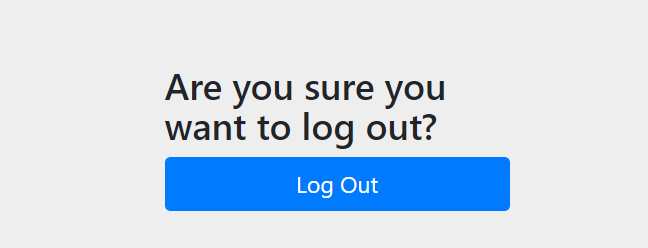
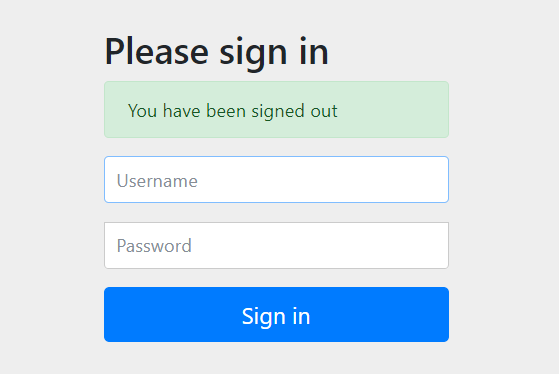
但是,我们想让他注销成功后,依旧可以跳转到首页,该怎么处理呢?
// .logoutSuccessUrl("/"); 注销成功来到首页
http.logout().logoutSuccessUrl("/");
测试,注销完毕后,发现跳转到首页
4、显示内容的控制
用户没有登录的时候,导航栏上只显示登录按钮,用户登录之后,导航栏可以显示登录的用户信息及注销按钮!
我们需要结合thymeleaf中的一些功能
sec:authorize=”isAuthenticated()”:是否认证登录!来显示不同的页面
导入Maven依赖
<!-- thymeleaf-extras-springsecurity4 -->
<dependency>
   <groupId>org.thymeleaf.extras</groupId>
   <artifactId>thymeleaf-extras-springsecurity4</artifactId>
   <version>3.0.4.RELEASE</version>
</dependency>
导入命名空间
xmlns:sec="http://www.thymeleaf.org/thymeleaf-extras-springsecurity5"修改导航栏,增加认证判断
<!--登录注销-->
<div class="right menu">

   <!--如果未登录-->
   <div sec:authorize="!isAuthenticated()">
       <a class="item" th:href="@{ /login} ">
           <i class="address card icon"></i> 登录
       </a>
   </div>

   <!--如果已登录-->
   <div sec:authorize="isAuthenticated()">
       <a class="item">
           <i class="address card icon"></i>
          用户名:<span sec:authentication="principal.username"></span>
          角色:<span sec:authentication="principal.authorities"></span>
       </a>
   </div>

   <div sec:authorize="isAuthenticated()">
       <a class="item" th:href="@{ /logout} ">
           <i class="address card icon"></i> 注销
       </a>
   </div>
</div>
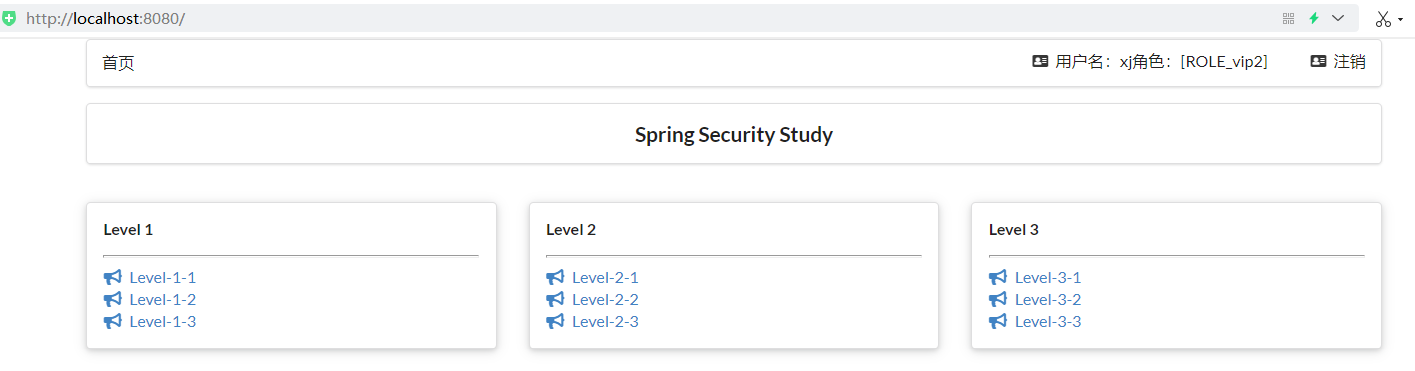
重启测试,显示了所有的标签
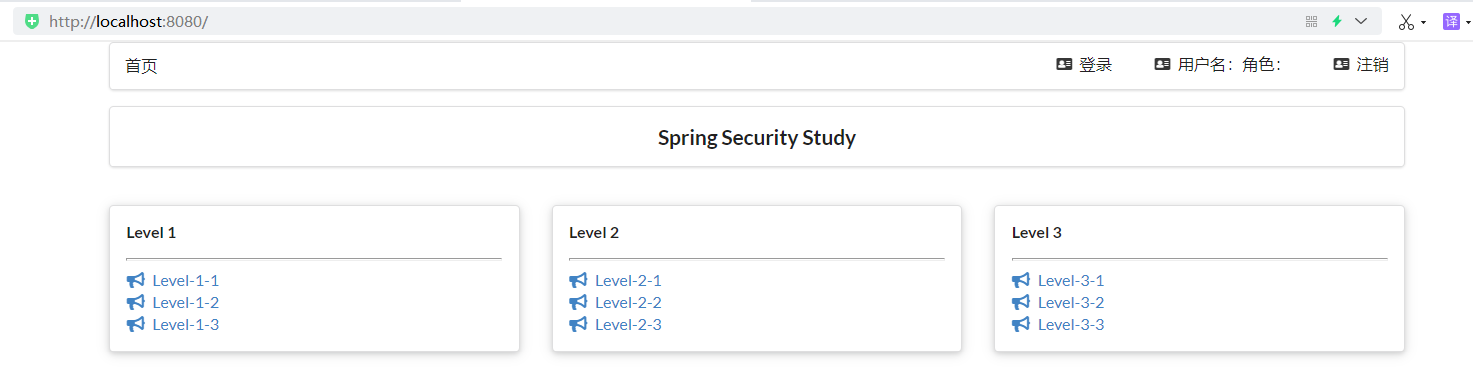
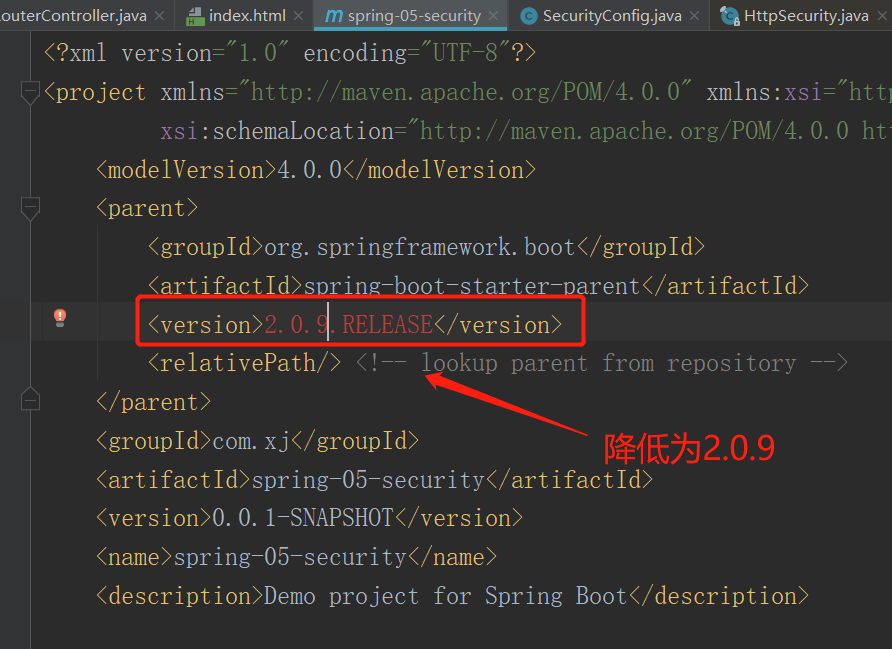
这是因为Thymeleaf的版本原因,只能对应较低版本的SpringBoot,降低SpringBoot的版本
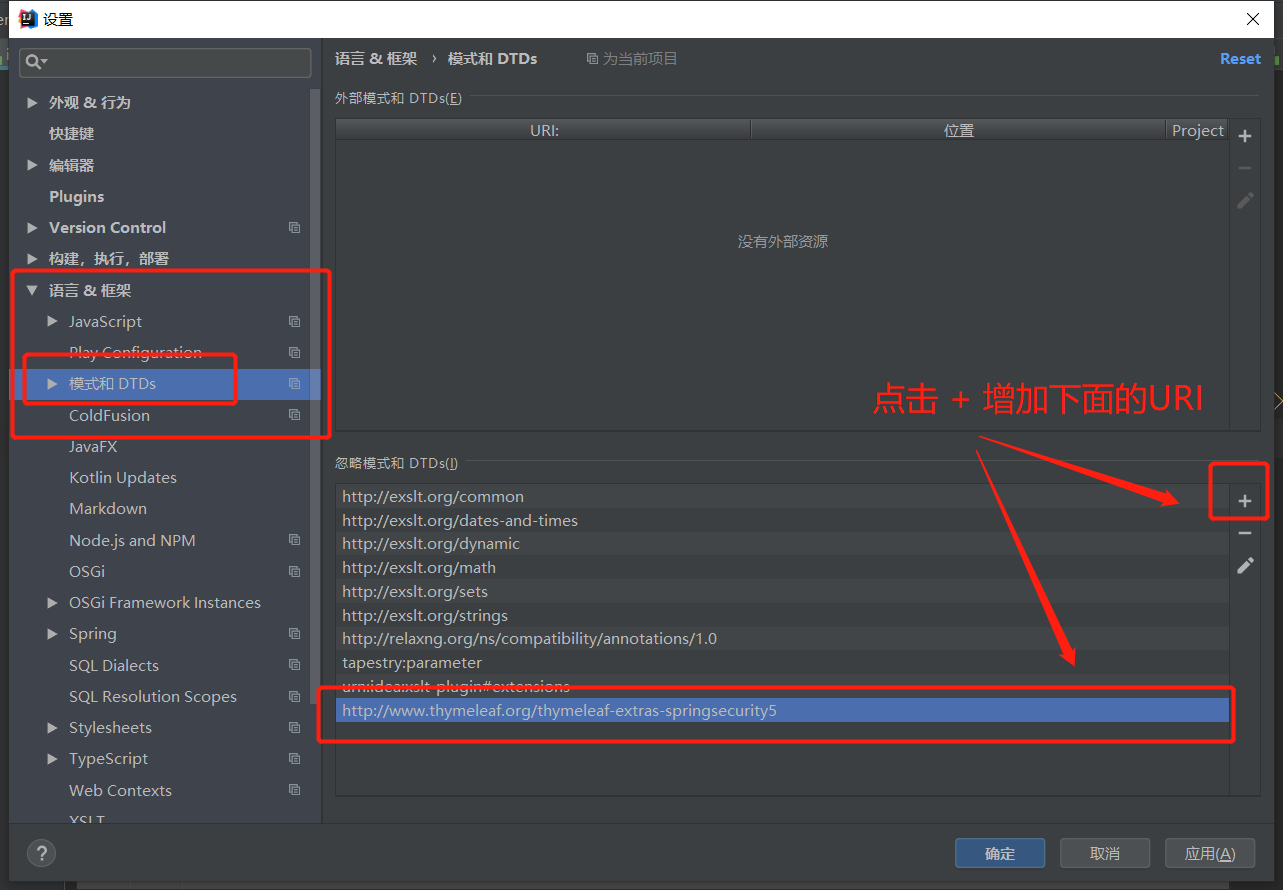
也有可能是URI错误

点击设置
重新进行测试,害 原来是忘记导入上面的依赖了
thymeleaf-extras-springsecurity4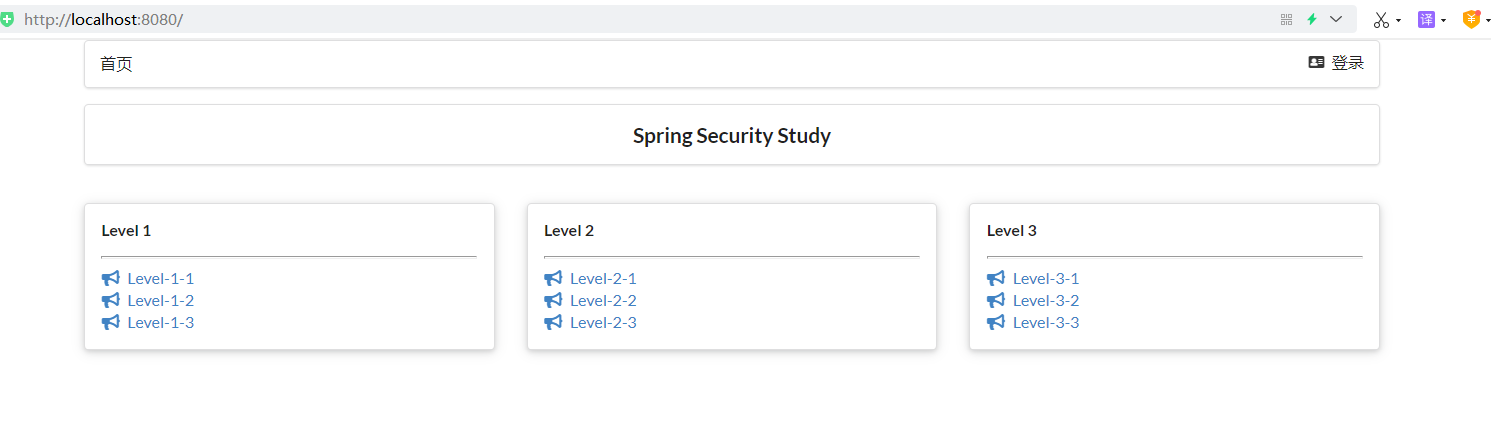
如果注销404了,就是因为它默认防止
csrf跨站请求伪造,因为会产生安全问题,我们可以将请求改为post表单提交,或者在springsecurity中关闭csrf功能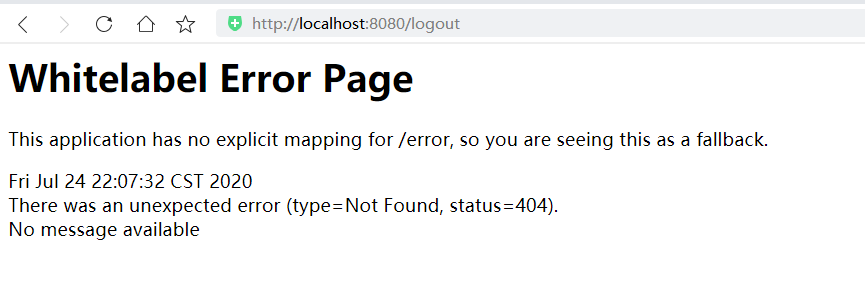
在配置中增加
http.csrf().disable();关闭csrf功能//关闭csrf功能:跨站请求伪造,默认只能通过post方式提交logout请求 http.csrf().disable();继续将下面的角色功能块认证完成
在对应的模块前面增加
sec:authorize="hasRole('vip1')"判断条件,hasAnyRole可以加多个判断<div class="column" sec:authorize="hasAnyRole('vip1','vip2','vip3')"> <div class="ui raised segment"> <div class="ui"> <div class="content"> <h5 class="content">Level 1</h5> <hr> <div><a th:href="@{ /level1/1} "><i class="bullhorn icon"></i> Level-1-1</a></div> <div><a th:href="@{ /level1/2} "><i class="bullhorn icon"></i> Level-1-2</a></div> <div><a th:href="@{ /level1/3} "><i class="bullhorn icon"></i> Level-1-3</a></div> </div> </div> </div> </div>测试
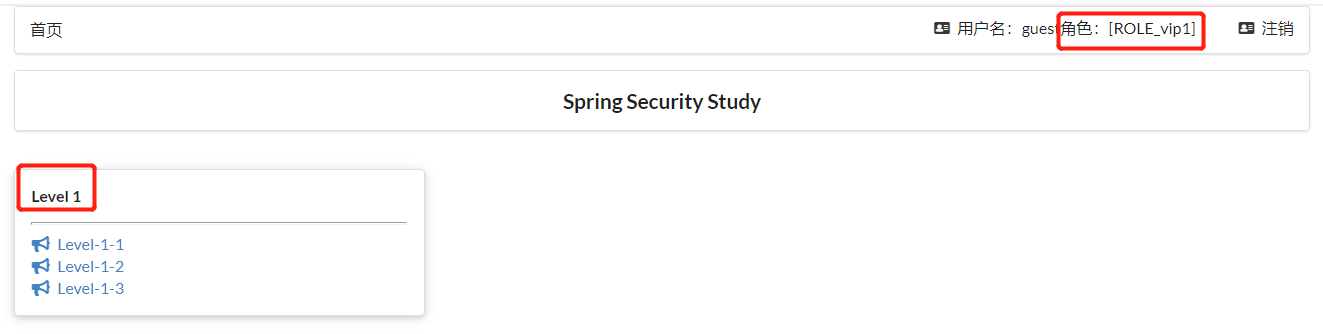
5、记住我功能
现在的情况,我们只要登录之后,关闭浏览器,再登录,就会让我们重新登录,但是很多网站的情况,就是有一个记住密码的功能,这个该如何实现呢?
开启记住我功能
//定制请求的授权规则 @Override protected void configure(HttpSecurity http) throws Exception { //记住我 http.rememberMe(); }我们再次启动项目测试一下,发现登录页多了一个记住我功能,我们登录之后关闭 浏览器,然后重新打开浏览器访问,发现用户依旧存在!这是因为存放到了Cookie中了
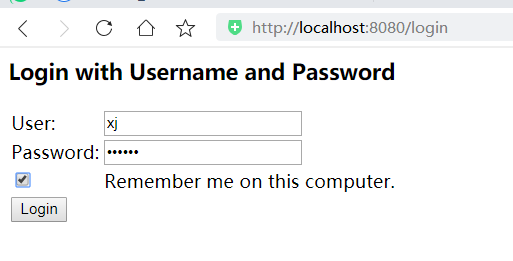
我们点击注销的时候,可以发现,springsecurity 帮我们自动删除了这个 cookie

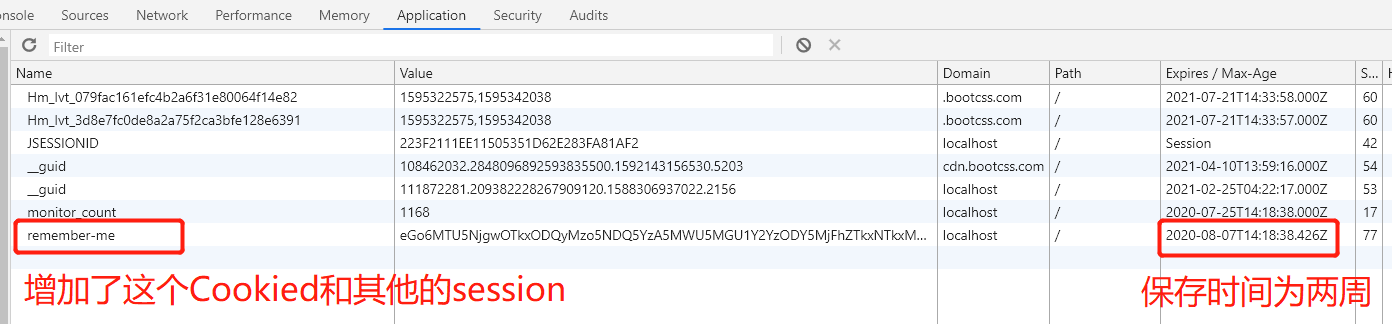
登录成功后,将cookie发送给浏览器保存,以后登录带上这个cookie,只要通过检查就可以免登录了。如果点击注销,则会删除这个cookie
6、定制登录页
现在这个登录页面都是spring security 默认的,怎么样可以使用我们自己写的Login界面呢?
在刚才的登录页配置后面指定 loginpage
http.formLogin().loginPage("/toLogin");然后前端也需要指向我们自己定义的 login请求
<a class="item" th:href="@{ /toLogin} "> <i class="address card icon"></i> 登录 </a>测试失败:
IllegalArgumentException: 'toLogin?error' is not a valid redirect URL
这是因为我刚才少写了斜杠了。。
loginPage("toLogin");
设置登录页
我们登录,需要将这些信息发送到哪里,我们也需要配置,login.html 配置提交请求及方式,方式必须为post:在 loginPage()源码中的注释上有写明:
主要修改
th:action="@{ /login} " method="post"<form th:action="@{ /login} " method="post"> <div class="field"> <label>Username</label> <div class="ui left icon input"> <input type="text" placeholder="Username" name="username"> <i class="user icon"></i> </div> </div> <div class="field"> <label>Password</label> <div class="ui left icon input"> <input type="password" name="password"> <i class="lock icon"></i> </div> </div> <input type="submit" class="ui blue submit button"/> </form>这个请求提交上来,我们还需要验证处理,怎么做呢?我们可以查看formLogin()方法的源码!我们配置接收登录的用户名和密码的参数!
http.formLogin() .usernameParameter("username") .passwordParameter("password") .loginPage("/toLogin") .loginProcessingUrl("/login"); // 登陆表单提交请求在登录页增加记住我的多选框
<div class="field"> <input type="checkbox" name="remember"> 记住我 </div>后端验证处理
//定制记住我的参数! http.rememberMe().rememberMeParameter("remember");测试
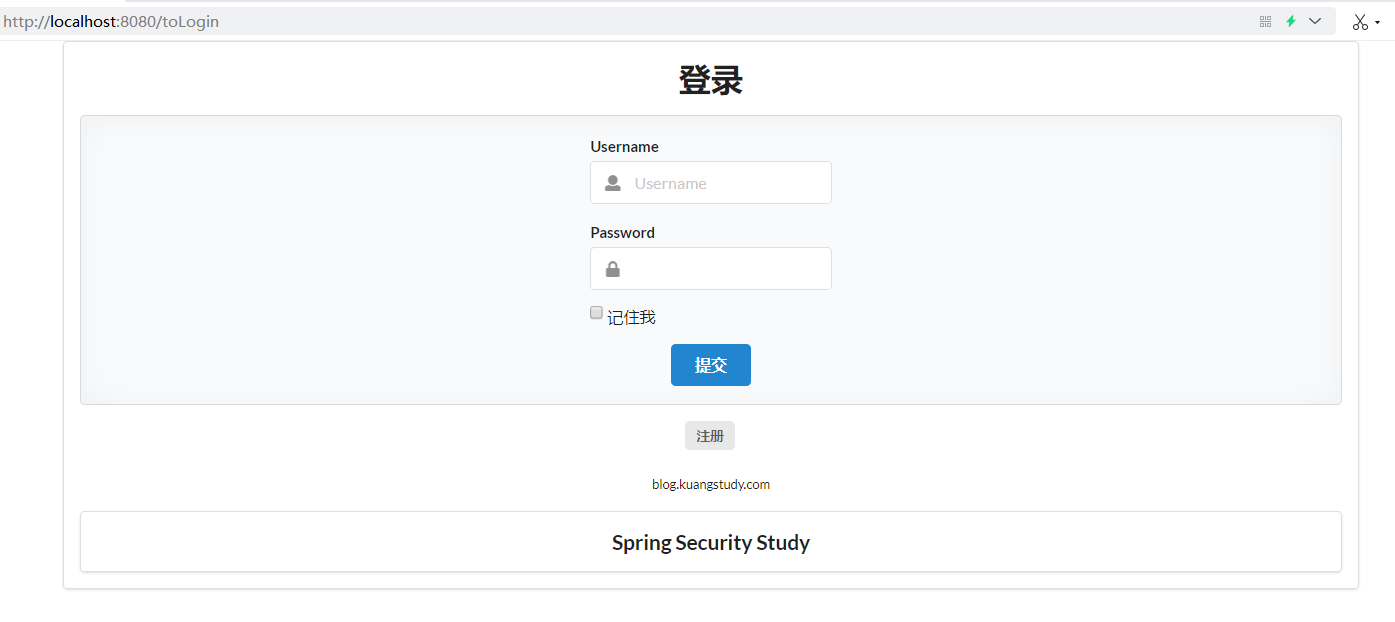
完整的配置代码
package com.xj.config;
import org.springframework.security.config.annotation.authentication.builders.AuthenticationManagerBuilder;
import org.springframework.security.config.annotation.web.builders.HttpSecurity;
import org.springframework.security.config.annotation.web.configuration.EnableWebSecurity;
import org.springframework.security.config.annotation.web.configuration.WebSecurityConfigurerAdapter;
import org.springframework.security.crypto.bcrypt.BCryptPasswordEncoder;
@EnableWebSecurity // 开启WebSecurity模式
public class SecurityConfig extends WebSecurityConfigurerAdapter {
@Override
protected void configure(HttpSecurity http) throws Exception {
// 定制请求的授权规则
// 首页所有人可以访问
http.authorizeRequests().antMatchers("/").permitAll()
.antMatchers("/level1/**").hasAnyRole("vip1", "vip2", "vip3")
.antMatchers("/level2/**").hasAnyRole("vip2", "vip3")
.antMatchers("/level3/**").hasRole("vip3");
// 开启自动配置的登录功能
// /login 请求来到登录页
// /login?error 重定向到这里表示登录失败
// .loginPage("toLogin");指定自己的登录页
http.formLogin()
.usernameParameter("username")
.passwordParameter("password")
.loginPage("/toLogin")
.loginProcessingUrl("/login"); // 登陆表单提交请求
//开启自动配置的注销的功能
// /logout 注销请求
http.logout().logoutSuccessUrl("/");
//关闭csrf功能:跨站请求伪造,默认只能通过post方式提交logout请求
http.csrf().disable();
//记住我
http.rememberMe().rememberMeParameter("remember");
}
//定义认证规则
@Override
protected void configure(AuthenticationManagerBuilder auth) throws Exception {
//在内存中定义,也可以在jdbc中去拿....
//Spring security 5.0中新增了多种加密方式,也改变了密码的格式。
//要想我们的项目还能够正常登陆,需要修改一下configure中的代码。我们要将前端传过来的密码进行某种方式加密
//spring security 官方推荐的是使用bcrypt加密方式
auth.inMemoryAuthentication().passwordEncoder(new BCryptPasswordEncoder())
.withUser("xj").password(new BCryptPasswordEncoder().encode("123456")).roles("vip2")
.and()
.withUser("root").password(new BCryptPasswordEncoder().encode("123456")).roles("vip3")
.and()
.withUser("guest").password(new BCryptPasswordEncoder().encode("123456")).roles("vip1");
}
} - 本文链接:https://lxjblog.gitee.io/2020/08/02/springsecurity/
- 版权声明:本博客所有文章除特别声明外,均默认采用 许可协议。